You may have put on a pair of wedges thinking they would be the perfect balance of comfort and style.
Yes, most people do. It seems easy enough: pick out a cute pair, leave, and call it a day. But here's the thing: picking the right wedge height is not always that easy. It can make a great day into sore feet and awkward steps faster than you think.
The good news is? When you know how your foot type, outfit, and the surface you're walking on affect your choice, wedges stop being a gamble and become the reliable choice they should be.
The easiest and most useful way to choose wedges isn't to follow trends or guess which ones look the tallest. It's about finding the right height for your body, your clothes, and the place where you'll be walking. By choosing wedges over regular heels, you're already halfway there. Now let's make sure you're getting the most out of it.
Many of us think that any wedge will work. You look at the pile of shoes in your closet and think, "These should be fine." Then, in the middle of the day, your arches hurt or your ankles feel weak. It's not that wedges are hard; it's that people forget small things about height.
The biggest mistake is to go too high too soon. You see a striking pair and forget that your feet need time to get used to them. Or you pick something too flat and low for an outfit that needs a little lift. No matter what, comfort goes away and style suffers. The solution is surprisingly simple: stop thinking of wedges as regular shoes and start thinking of them as the thoughtful hybrid they are—somewhere between sandals and real heels.
Your wedges shouldn't be the same as your feet, either. A mid-height wedge (about 5–7 centimetres) gives just the right amount of support for people with high arches without forcing their feet into an unnatural angle. If you have flat feet, though, a lower wedge—3 to 5 centimetres—can make you feel more stable because your weight stays evenly spread instead of rolling forward.
Problems with pronation or wider feet? Leather wedges look great here because the structured upper keeps everything in place. You don't need to be very tall to feel safe; you just need to be the right height for your body type. Do a quick heel-to-toe roll for thirty seconds while barefoot in the store. You've found your match if it feels steady. If you skip this step, you'll have shoes that look great in the mirror but hurt you by lunchtime.
Wedges have a quiet magic that lets you dress up or down without looking like you're trying too hard. A low wedge goes great with casual sandals for weekend markets, and a taller wedge makes a flowing dress or tailored pants look more polished. The key is to find a balance. If your outfit already has volume, like wide-leg pants or a maxi skirt, keep the wedge height low so the proportions don't get messed up.
Leather wedges are worth the money here because their clean lines go with everything from jeans to linen. They fill the space between regular shoes and real heels, giving you an extra centimetre of height without the wobble of a stiletto heel. You don't have to give up comfort for style; you can have both. When you're looking through your closet and can't decide what to wear, grab some wedges first. They change faster than most shoes ever could.
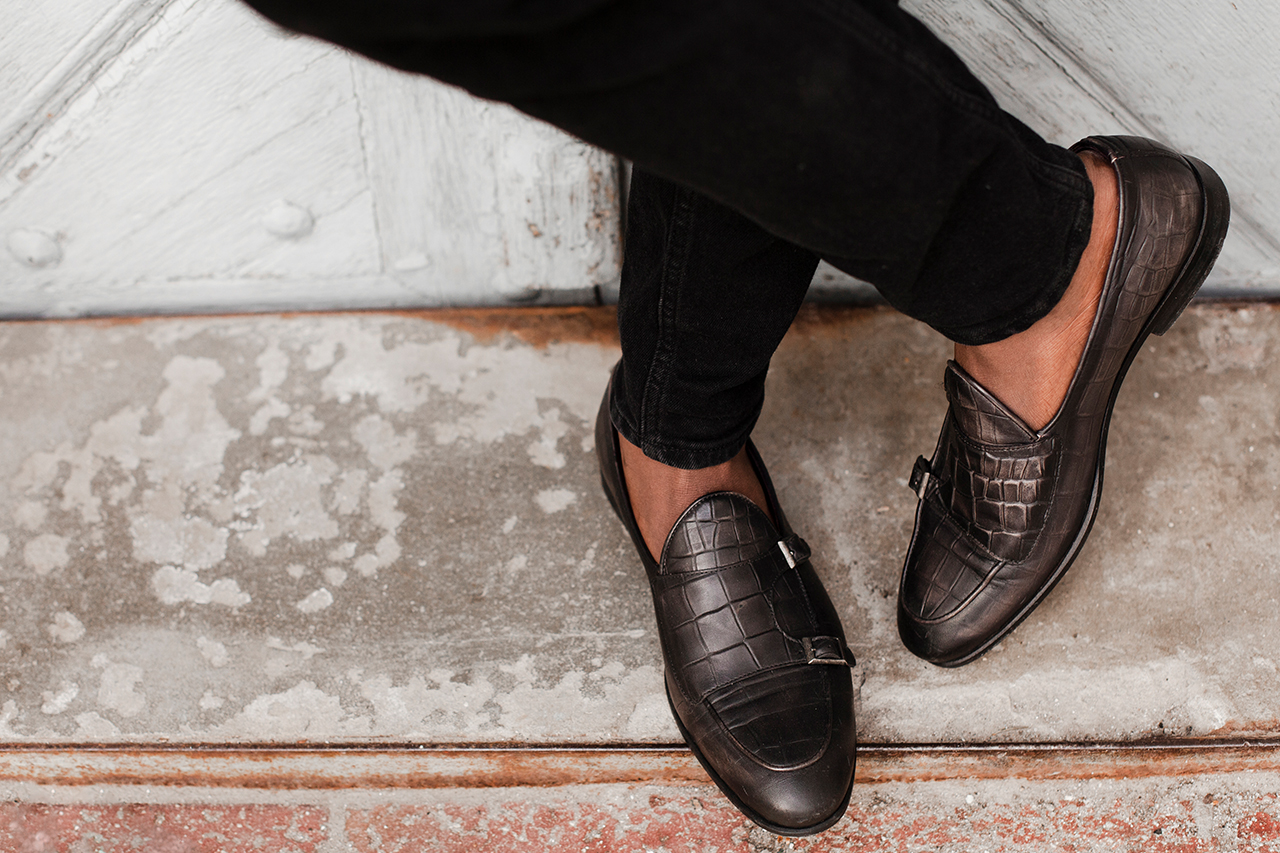
Most people forget this part until they're halfway across the grass or walking on uneven pavement. A high wedge might look great with your outfit, but it can be dangerous on soft grass or cobblestones. Wedges with a wider base are already more stable than skinny heels, but the height of the wedge changes how your foot touches the ground.
For walks on the beach, in the park, or on any surface that isn't perfectly flat, stick to lower wedges (less than 5 centimetres). Save the 7–9 centimetre styles for city sidewalks, office floors, or smooth shopping malls where you know you'll be able to walk on them. Your ankles will be grateful, and you'll feel much surer of yourself when you walk. It doesn't matter if it's Adelaide footpaths or Melbourne laneways. The height is determined by the surface, not the other way around.
A lot of us make the same mistakes with wedges. One is buying something online without checking the height of the platform. Another thing is thinking that all leather wedges feel the same. The straps may look the same, but the angle of the wedge underneath can change the way you stand.
Try out the walk before you buy it. You can learn more about a store by walking around it than by looking at a picture. And don't forget: wedges aren't meant to take the place of all your other shoes. They are the best of both worlds: more supportive than heels and higher than flat sandals. Put them where they shine, and your feet will be happy all day.
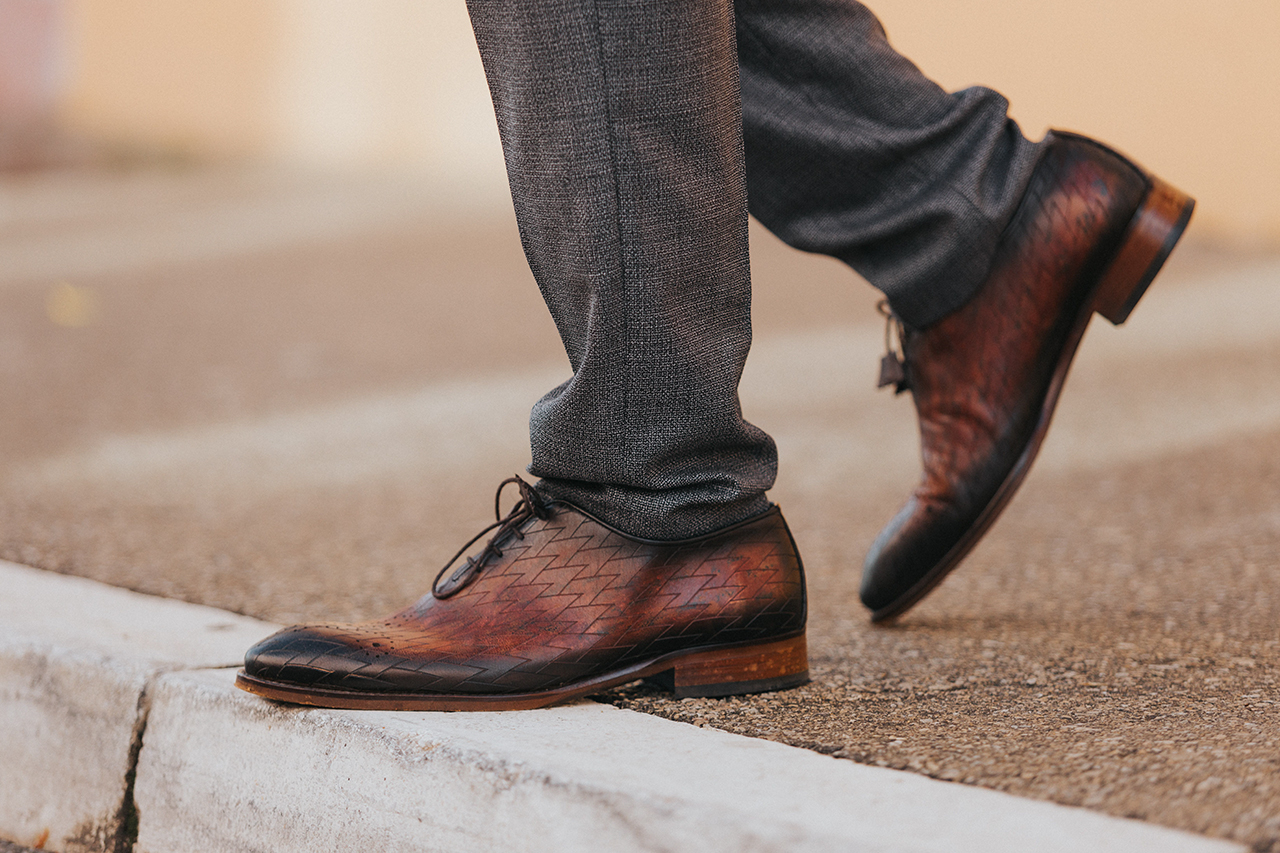
So, how do you pick the right height for your wedge? Begin with the type of foot you have, then add the outfit, and finally the surface you will be walking on. A 4-centimetre leather wedge might be your go-to shoe for running errands, while a 6-centimetre pair is perfect for date nights on smooth floors. You're not overthinking it; you're just giving your wedges the same thought you would to any other good pair of shoes.
What happened? You go about your day looking put-together and feeling calm. Stop second-guessing. No more hurting feet at 3 p.m. Just the quiet satisfaction of knowing you chose the right height for what you're doing.
You've always been able to use this simple system. And now you know exactly why the right wedge height is more important than most people think. You also know why the shoes, sandals, and especially leather wedges you choose can quietly change how confident you feel from the first step to the last. When you go shopping again, take an extra minute to make sure the height is right. Your clothes, your feet, and your whole day will feel different.
At shoeledger.xyz, we’re here to help you step into every moment with style.